

The India–European Union relationship is entering a dynamic new phase, shaped not only by trade and investment but increasingly by technology, advanced manufacturing, healthcare, infrastructure, innovation, research and sustainability. In this evolving landscape, business and economic diplomacy can play a crucial role in translating strategic relationships into meaningful commercial opportunities.
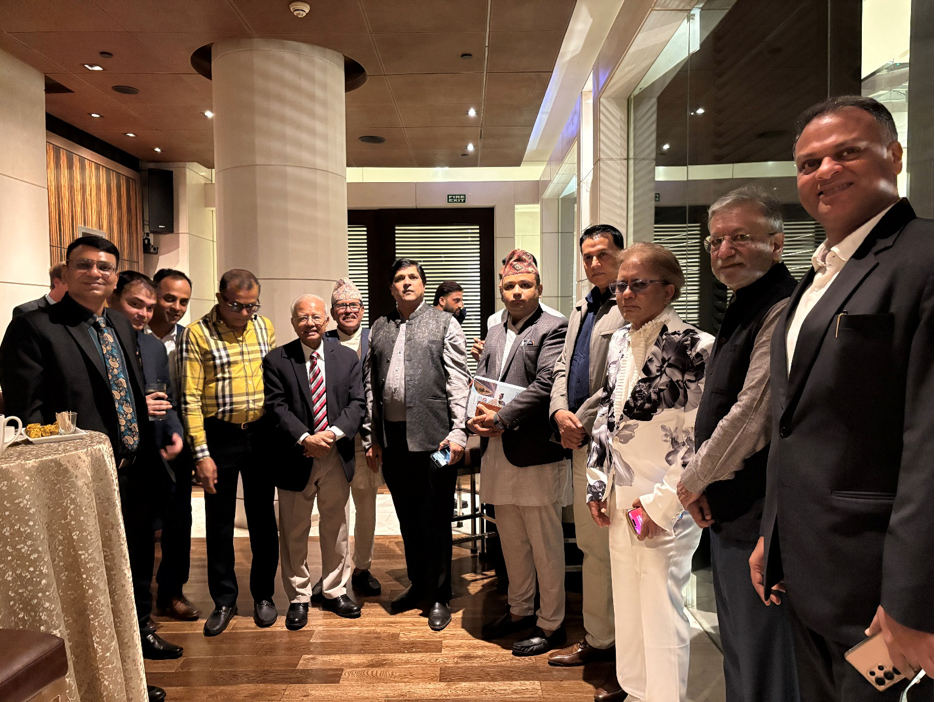
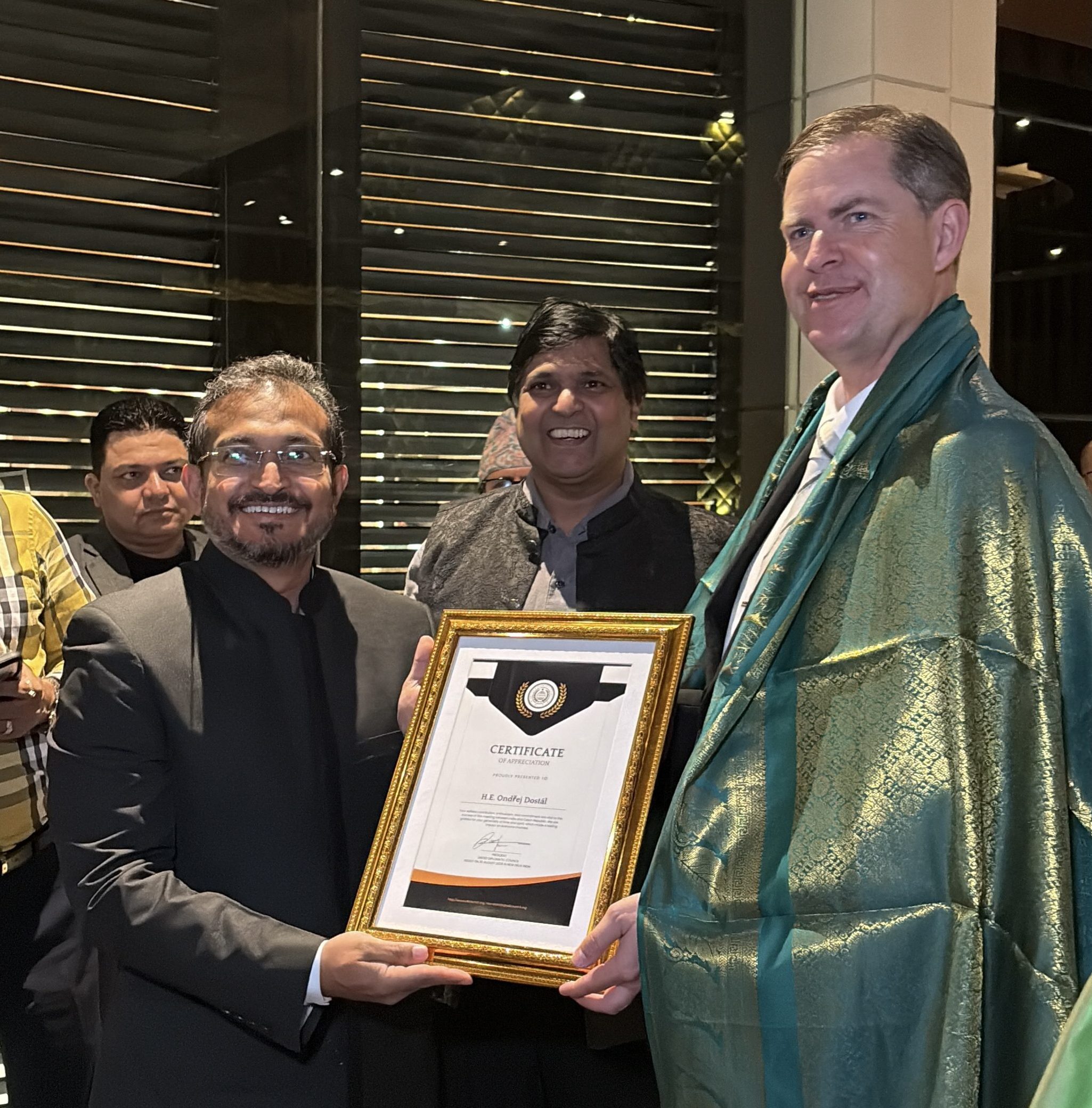
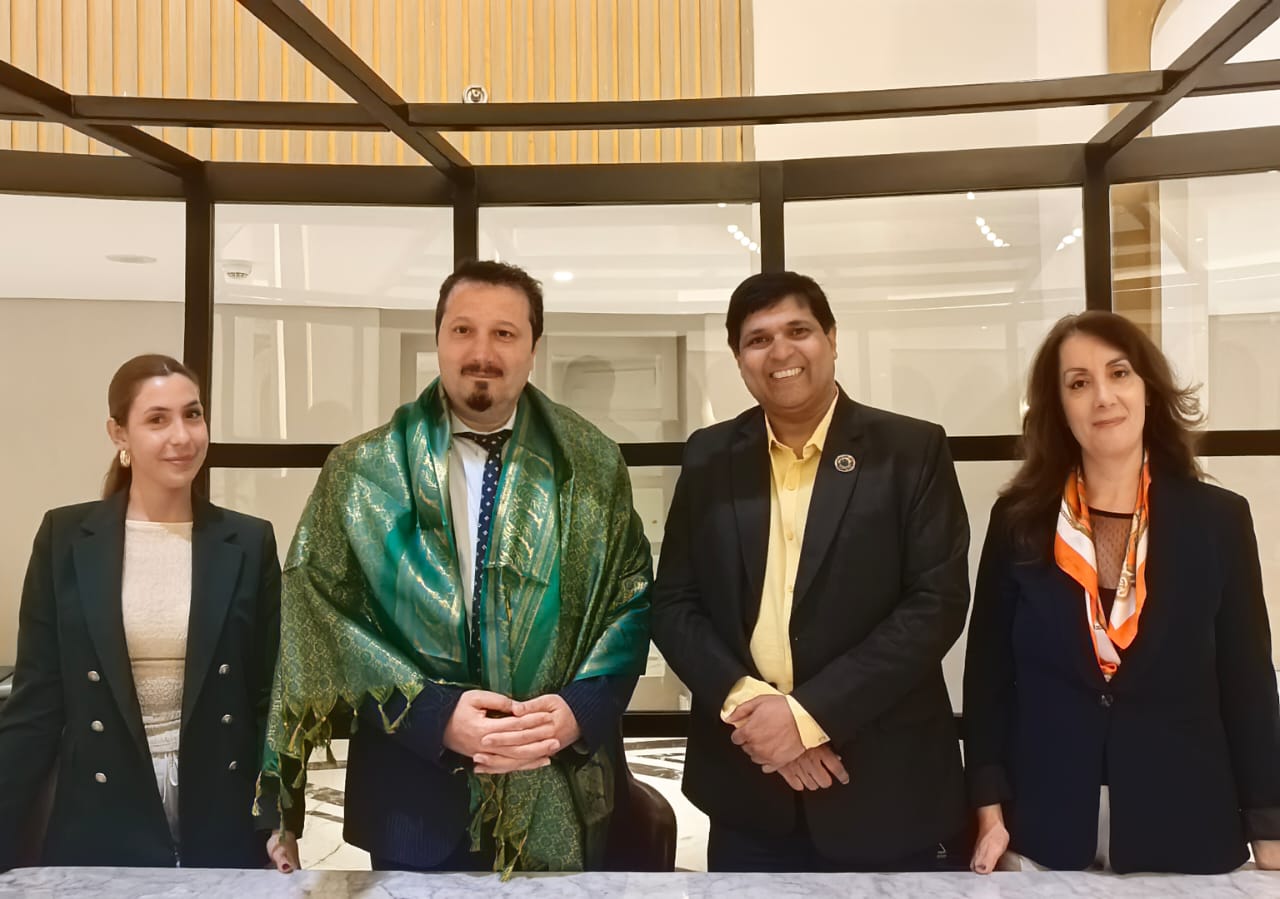
Against this backdrop, the United Diplomatic Council (UDC) hosted Mr. Ondřej Dostál, Member of the European Parliament from the Czech Republic, in New Delhi for an engaging interaction focused on strengthening India–EU economic and institutional cooperation.
The gathering brought together business leaders, doctors, academics, diplomats and professionals, including participants from the United States, Japan and the United Kingdom, creating a truly international platform for dialogue.
Expanding India–Europe Business Opportunities
The discussions highlighted significant opportunities for Indian and European businesses to collaborate across digital technology, renewable energy, pharmaceuticals, healthcare, advanced manufacturing, infrastructure, artificial intelligence, research and emerging technologies.
India offers European businesses a rapidly expanding market, strong manufacturing capabilities, a large talent pool and a vibrant entrepreneurial ecosystem. At the same time, Europe provides Indian enterprises access to advanced technologies, capital, research networks, sophisticated markets and global value chains.
The opportunity is therefore not simply to increase trade, but to build long-term partnerships combining investment, technology, innovation, manufacturing and market access.
The Czech Republic as a Gateway
Particular attention was given to the Czech Republic as a potential gateway for Indian companies entering European markets. Its industrial strengths and strategic Central European location create opportunities for cooperation in engineering, advanced manufacturing, green technology, healthcare, infrastructure, technology and R&D.
Such partnerships can support investment, technology exchange and the integration of Indian companies into wider European value chains.
Diplomacy Supporting Business
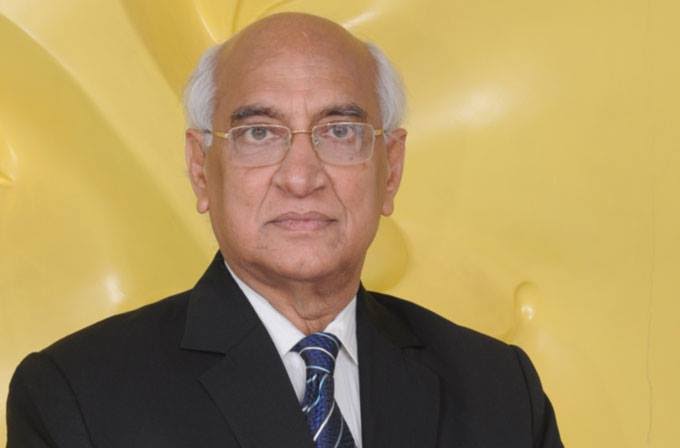
The engagement was strengthened by the presence of Mr. Amrit Lugun, former Indian diplomat and Ambassador of India to Greece and other countries, who shared his views and support for greater India–Europe engagement. His participation brought valuable diplomatic experience and reinforced the importance of connecting policymakers, diplomats and the business community.
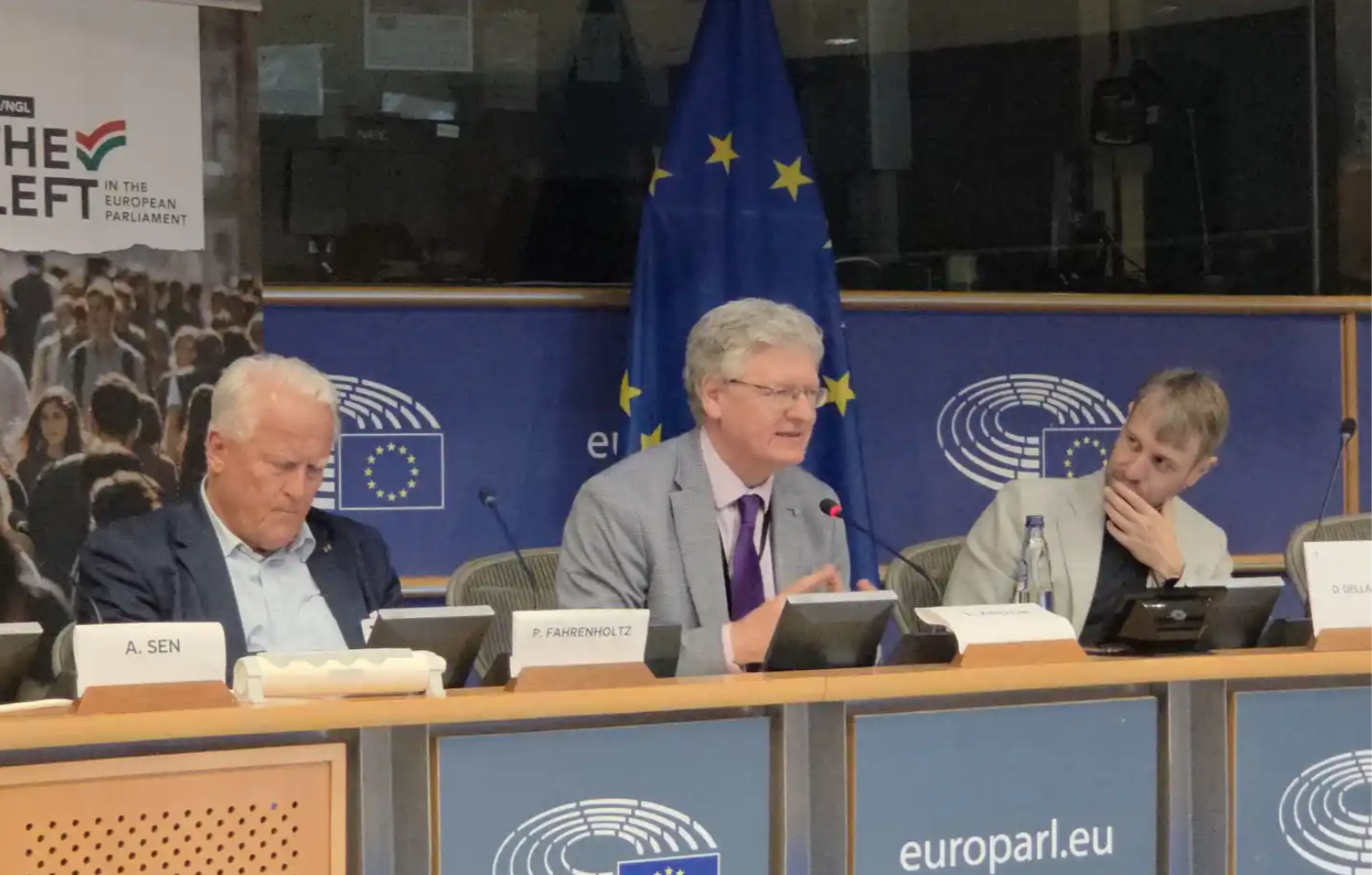
Mr. Peter Fahrenholtz, former German diplomat, also contributed his perspectives on Europe–Asia relations, international cooperation and the evolving economic relationship between India and Europe.
Their participation underlined an important principle: economic diplomacy is most effective when diplomatic relationships are connected directly with businesses, investors and institutions.
Taking the Dialogue to Brussels
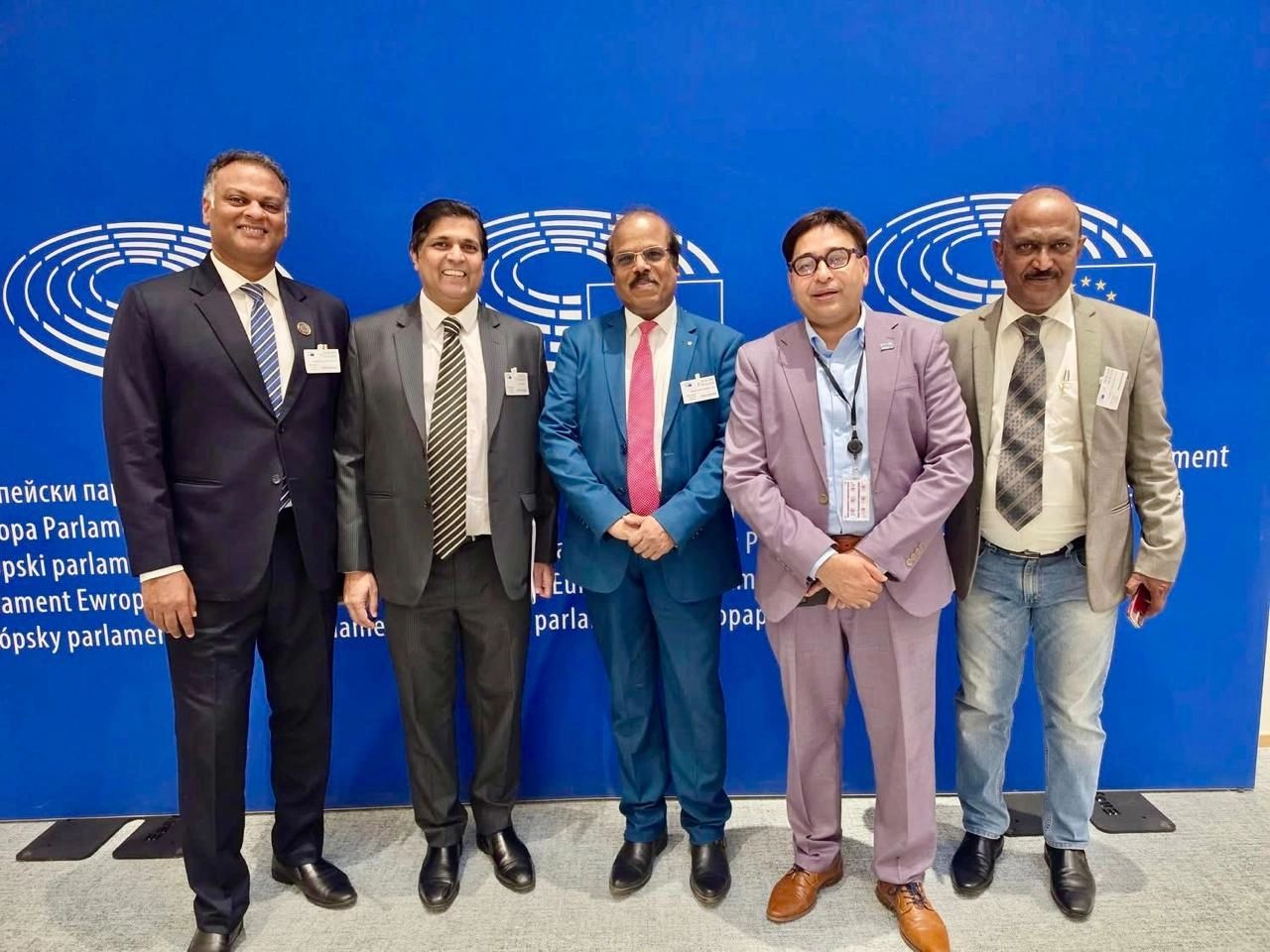
The New Delhi engagement forms part of the wider international outreach of the India–EU Trade Council, with a delegation scheduled to visit Brussels and engage with the European Parliament and European stakeholders in the coming months.
The objective will be to deepen direct engagement with policymakers and identify practical opportunities for trade, investment, technology partnerships and institutional cooperation.
It was a pleasure to host Mr. Ondřej Dostál, Member of the European Parliament, and exchange views on the opportunities ahead. We look forward to continuing these conversations in Brussels and further strengthening India–EU economic engagement.
As India and Europe enter the next chapter of their relationship, the opportunity extends far beyond trade volumes. The real potential lies in connecting markets, capital, technology, supply chains, institutions and people.
From diplomatic dialogue to commercial opportunity, the future of India–EU relations can be built through stronger economic partnerships, deeper institutional connectivity and a shared commitment to growth.





Leave a Reply