

The changing landscape of global economic cooperation is bringing sectors such as healthcare and pharmaceuticals increasingly into conversations that extend beyond traditional trade. With manufacturing, innovation, technology, supply-chain resilience and access to medicines becoming important elements of economic strategy, the pharmaceutical industry has an increasingly significant role in cooperation among emerging economies.
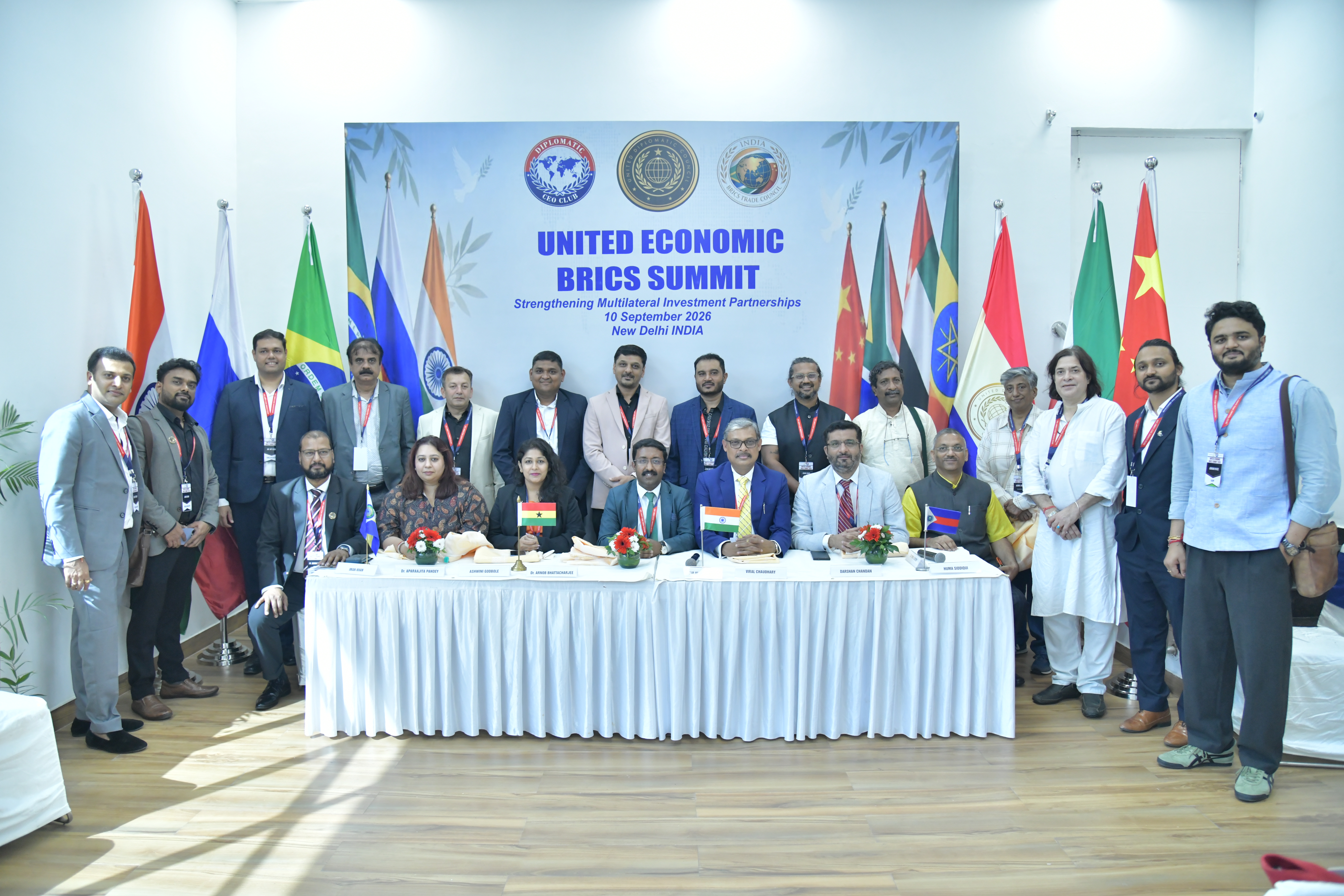
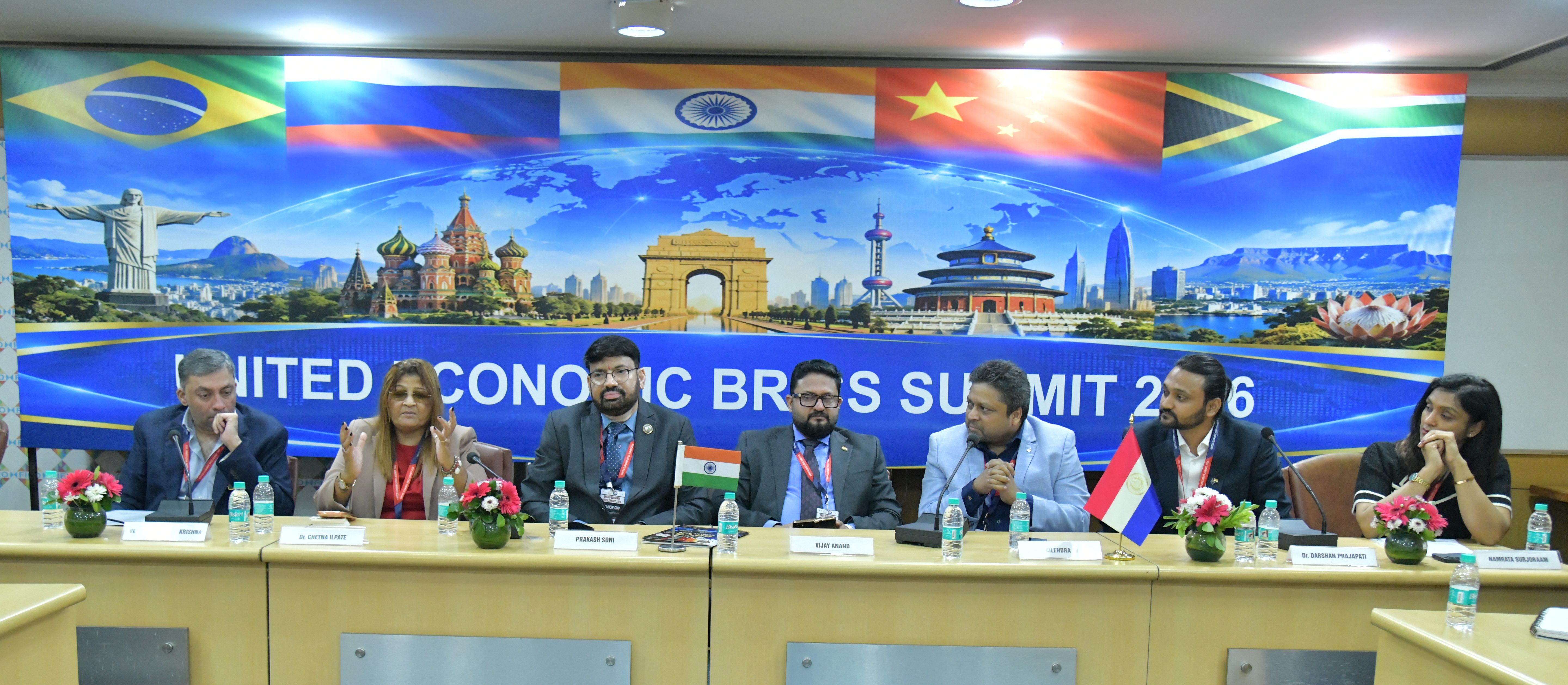
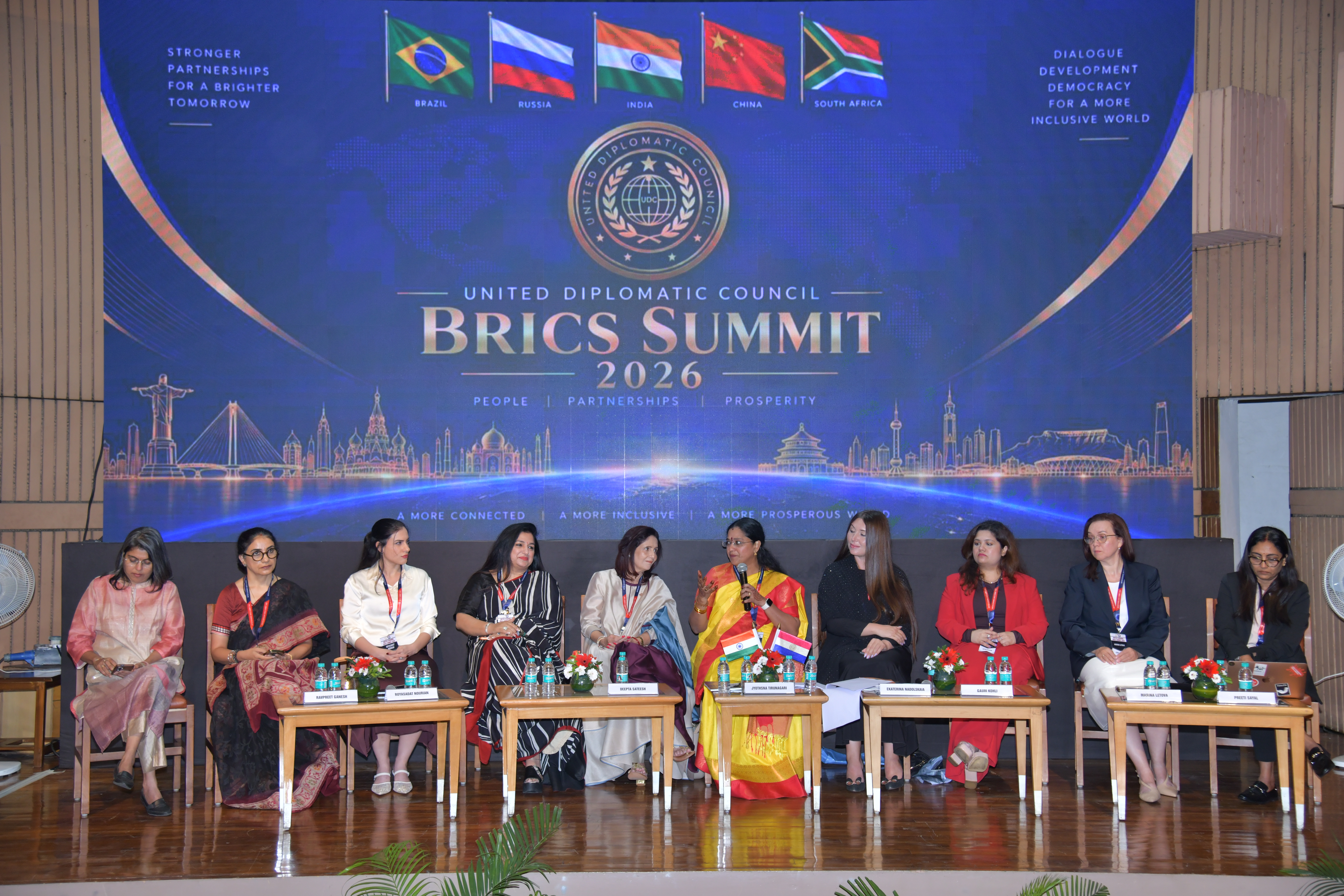
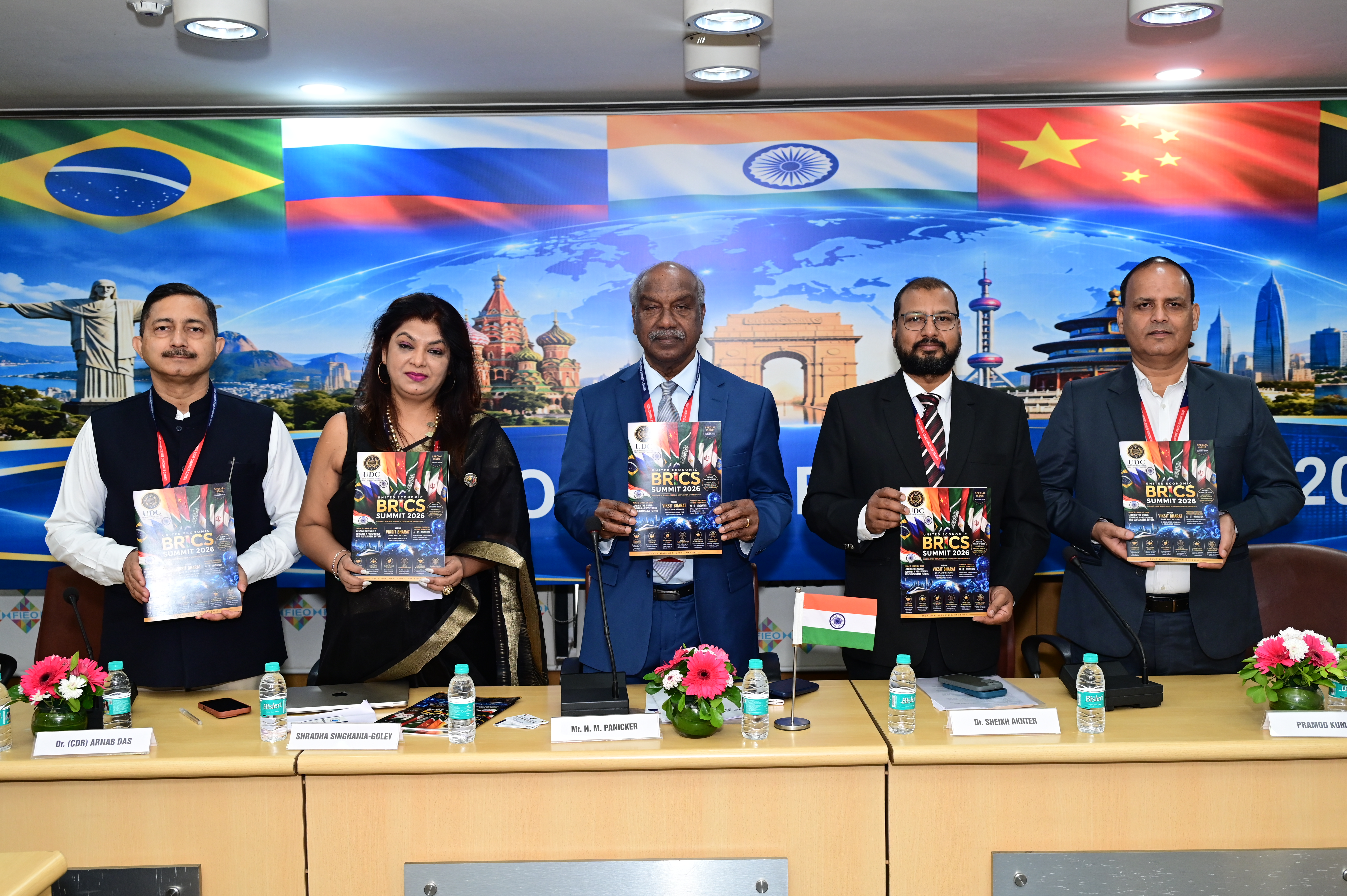
These themes found relevance at the United Economic BRICS Business Summit 2026, hosted by the United Diplomatic Council (UDC) in New Delhi on 10 September. The Summit brought together diplomats, business leaders, trade representatives and institutional stakeholders to examine opportunities across BRICS and the wider Global South, with discussions spanning trade, technology, maritime cooperation, BRICS–Africa relations, the Commonwealth, women’s participation and sustainable development.
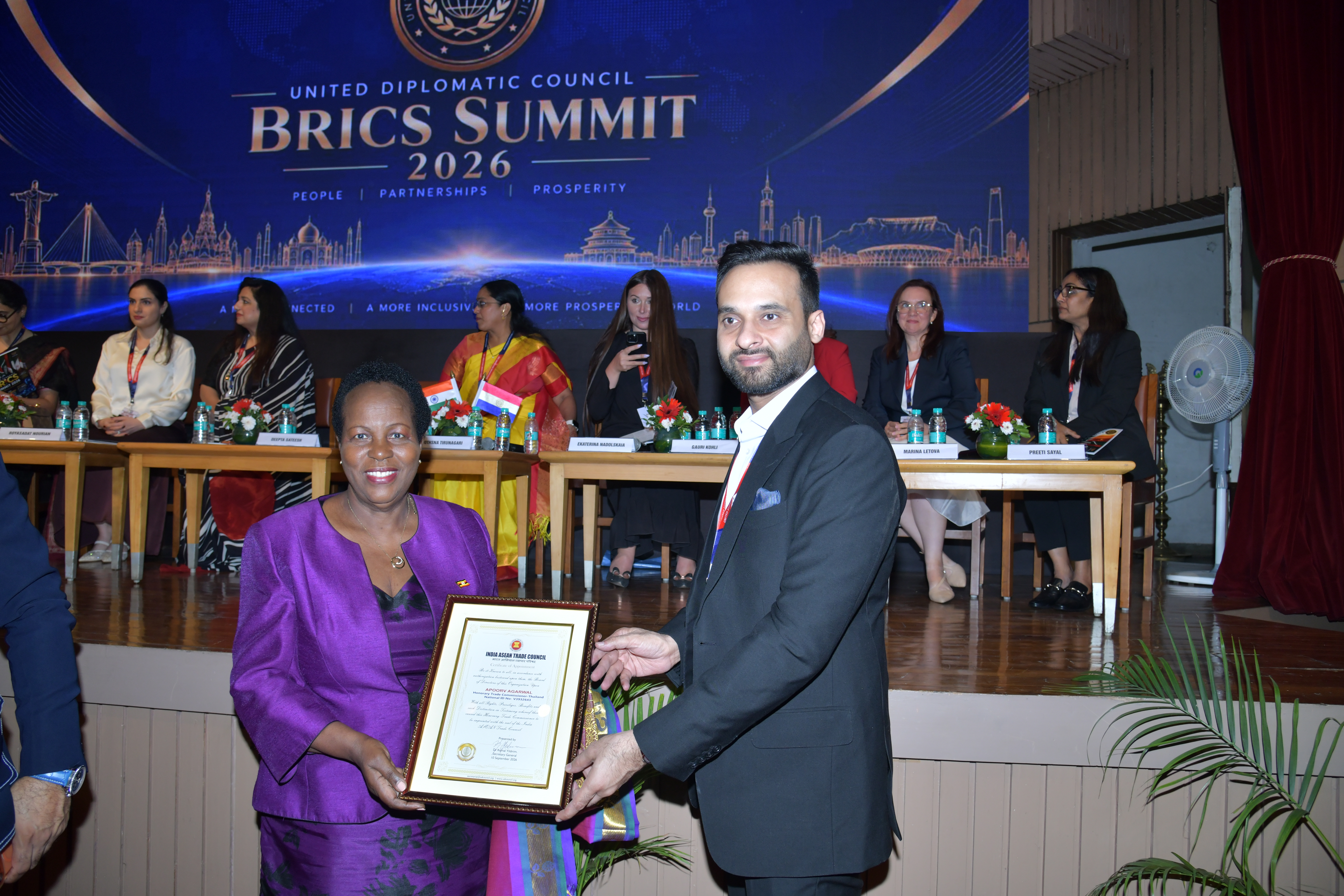
A significant development during the Summit was the appointment of Sanchit Chhabra as Honorary Pharma Commissioner – Himachal Pradesh, reflecting the growing focus on connecting sectoral expertise with international economic and diplomatic engagement. The appointment recognised the importance of bringing pharmaceutical professionals and regional industry leadership into conversations on investment, manufacturing, technology and cross-border healthcare cooperation.
The pharmaceutical sector holds particular relevance within the BRICS economic landscape. The grouping brings together major emerging markets with substantial healthcare requirements, manufacturing capabilities and growing demand for technological and investment partnerships. This creates opportunities for cooperation across pharmaceutical manufacturing, research and development, technology transfer, supply chains, healthcare infrastructure and market access.
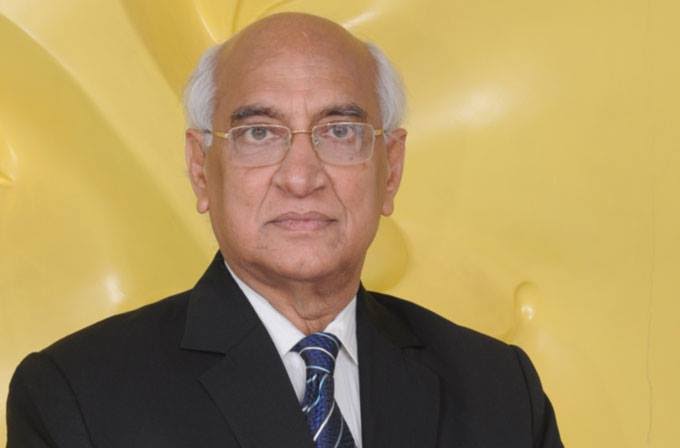
Speaking on the importance of this regional approach, Dr. Asif Iqbal, President of the United Diplomatic Council, emphasised the need to build Himachal Pradesh as a pharmaceutical hub driven by expertise from the region. He said:
“There is significant potential to establish Himachal Pradesh as a leading pharmaceutical hub, with its growth guided by experts and industry leaders from the region. By bringing together local expertise, manufacturing capabilities, innovation and international partnerships, we can create an ecosystem that contributes not only to the state’s economic development but also to India’s wider engagement with global pharmaceutical markets.”
The emphasis on regional expertise adds a practical dimension to the idea of pharmaceutical diplomacy. Rather than viewing international cooperation only through national-level frameworks, stronger sectoral ecosystems can connect local businesses, specialists, investors and institutions with international markets.
The Summit’s wider discussions focused on this interconnected approach. Technology, sustainable development, trade, healthcare and resilient supply chains increasingly overlap, creating new possibilities for cooperation between governments and industry. The presence of pharmaceutical leadership within the Summit reflected this evolution and highlighted the importance of specialised sectors in shaping the next phase of economic diplomacy.
The appointment of Sanchit Chhabra as Honorary Pharma Commissioner – Himachal Pradesh, alongside the vision of strengthening Himachal Pradesh’s pharmaceutical ecosystem, therefore represents a broader effort to connect regional capabilities with international opportunities. As BRICS and other emerging-market platforms continue to expand their economic relationships, such sector-led initiatives can contribute to building stronger partnerships across healthcare, trade, investment and innovation.



Leave a Reply